
What it is
A tooth may be removed when it cannot be predictably saved or when leaving it in place poses a greater risk.
Tooth Extraction
Learn when a tooth may need to be removed, what the visit can involve, and how aftercare is usually explained.
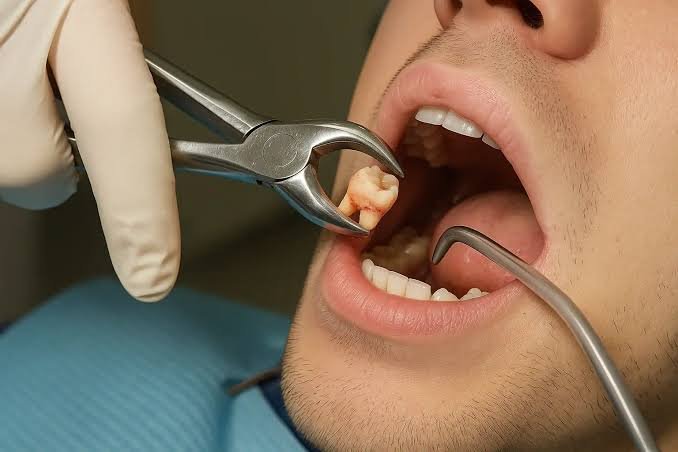
A tooth may be removed when it cannot be predictably saved or when leaving it in place poses a greater risk. Extraction is planned after examination and, when needed, X-ray or CBCT. It is performed by the clinic dentists; an oral and maxillofacial surgeon is not listed on the current professional profiles.
A tooth may be removed when it cannot be predictably saved or when leaving it in place poses a greater risk.
Severe decay, failed root canal, advanced gum disease, cracked roots, orthodontic crowding or impacted wisdom teeth are common reasons.
Local anaesthesia is used.
Neighbours may tilt.
Dry socket presents as later throbbing pain and needs a clinic dressing—not random powders.
Select your concern.
Severe decay, failed root canal, advanced gum disease, cracked roots, orthodontic crowding or impacted wisdom teeth are common reasons. Saving the tooth with RCT or other care is considered when realistic.
A tooth may be removed when it cannot be predictably saved or when leaving it in place poses a greater risk. Extraction is planned after examination and, when needed, X-ray or CBCT. It is performed by the clinic dentists; an oral and maxillofacial surgeon is not listed on the current professional profiles.
Local anaesthesia is used. Simple extractions involve loosening the tooth. Surgical extractions may need a small gum incision or sectioning. Instructions cover gauze, rest, diet and when to call for bleeding or swelling.
Avoid smoking, vigorous rinsing and straws on the day of surgery as advised. Replacement options such as implants or bridges can be discussed once healing allows.
A dental consultation can help determine which options may be appropriate for your situation.
A dental consultation can help determine which options may be appropriate for your situation.
A dental consultation can help determine which options may be appropriate for your situation.
A dental consultation can help determine which options may be appropriate for your situation.
A tooth may be removed when it cannot be predictably saved or when leaving it in place poses a greater risk. Extraction is planned after examination and, when needed, X-ray or CBCT. It is performed by the clinic dentists; an oral and maxillofacial surgeon is not listed on the current professional profiles.
Severe decay, failed root canal, advanced gum disease, cracked roots, orthodontic crowding or impacted wisdom teeth are common reasons. Saving the tooth with RCT or other care is considered when realistic.
Local anaesthesia is used. Simple extractions involve loosening the tooth. Surgical extractions may need a small gum incision or sectioning. Instructions cover gauze, rest, diet and when to call for bleeding or swelling.
Whether this treatment is appropriate depends on individual clinical evaluation.
Avoid smoking, vigorous rinsing and straws on the day of surgery as advised. Replacement options such as implants or bridges can be discussed once healing allows.
Bite on gauze for the time instructed. Rest with your head elevated. Do not smoke. Mild oozing can last hours.
Start gentle salt rinses only when you were told to. Do not poke the socket with a toothpick.
Dry socket presents as later throbbing pain and needs a clinic dressing—not random powders.
After healing, a gap may be left, or replaced with an implant or a bridge when conditions allow. That is a separate plan.
Does extraction hurt? You should be numb during the procedure. Pressure is expected. Soreness afterwards is common.
When can I eat? After numbness fades, start with soft foods away from the site.
Who performs extractions at The Dental Hut? The clinic dentists. An oral and maxillofacial surgeon is not listed on the current professional profiles.
You describe what is bothering you and share medical and dental history. Questions come before any treatment is planned.
Teeth, gums and bite are examined in the chair so the concern is seen, not only described.
An X-ray or OPG shows root shape and nearby structures. CBCT is used when extra 3D detail would change a surgical extraction.
Options, likely visits, aftercare and alternatives are discussed so you can decide.
The tooth is numbed and removed. Surgical steps such as a small incision or sectioning are used when needed.
Gauze, diet and warning signs are explained before you leave. Replacement options can wait until healing allows.
Whether the tooth can still be saved is considered first. Imaging is used when it would change surgery.
Local anaesthetic is given so you should not feel sharp pain during removal.
A simple extraction loosens the tooth. Surgical removal may need a small incision or sectioning.
Gauze, rest, diet and when to call for bleeding or swelling are explained before you leave.
A gap may be left or later replaced with an implant or bridge when healing allows.
When a tooth cannot be saved, extraction can stop a cycle of abscesses.
Orthodontics or implants sometimes need a hopeless tooth removed first.
Neighbours may tilt. Implants or bridges are optional later, not automatic.
Bleeding, dry socket, sinus issues in some upper teeth, and rare nerve injury in selected lower sites.
Root canal treatment is considered when the tooth can still be restored.
The Dental Hut in Airoli has in-house CBCT and OPG. Imaging may assist evaluation when it is clinically required. It is not a scan for every patient.
Cone-beam CT creates a 3D volume of teeth and jaws. It may be used for implant channels, some impacted teeth and selected endodontic questions.
An OPG is a 2D panoramic X-ray of both jaws. It is often enough for a broad survey of teeth, wisdom teeth and jaw relationships.
A clinical examination of teeth, gums and bite remains the starting point. Imaging is added only when extra detail is likely to change the plan.
Follow the instructions provided by your dentist.
Bite on gauze for the time instructed. Rest with your head elevated. Do not smoke. Mild oozing can last hours.
Start gentle salt rinses only when you were told to. Do not poke the socket with a toothpick.
Discuss whether you want to replace the tooth. Leaving a gap is sometimes acceptable; it is still a decision.
Dry socket presents as later throbbing pain and needs a clinic dressing—not random powders.
Consider getting in touch if you notice:
Fees are quoted after examination.
Book a consultation to discuss your dental condition and treatment options
Every dental case is different. A consultation allows the dentist to evaluate your dental condition and discuss appropriate treatment options.
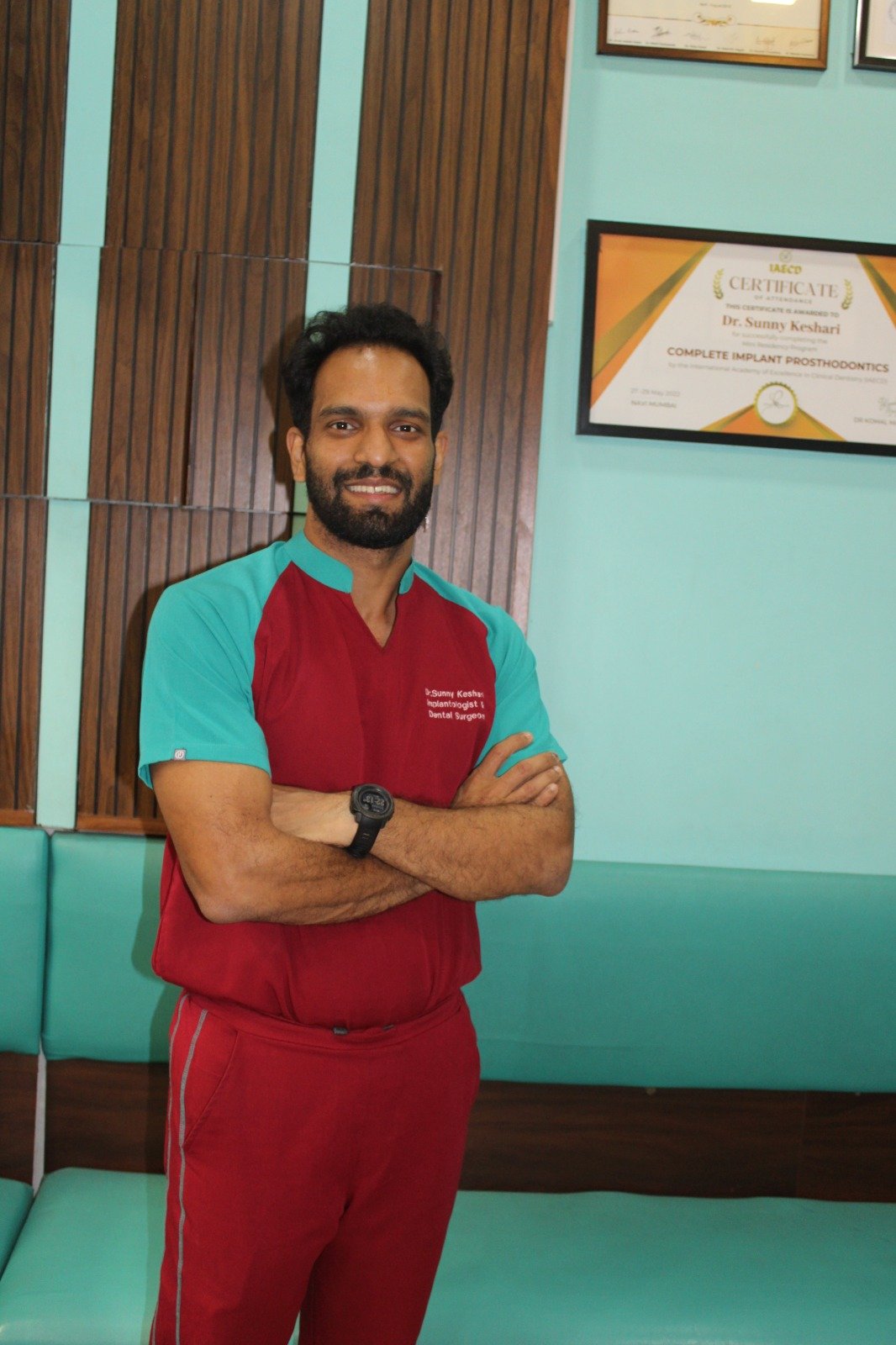
BDS · Dentist, Implantologist & Dental Surgeon
MSDC A-30506. Founder of The Dental Hut. BDS from Datta Meghe Institute of Medical Sciences, Wardha (May–June 2014 examination).
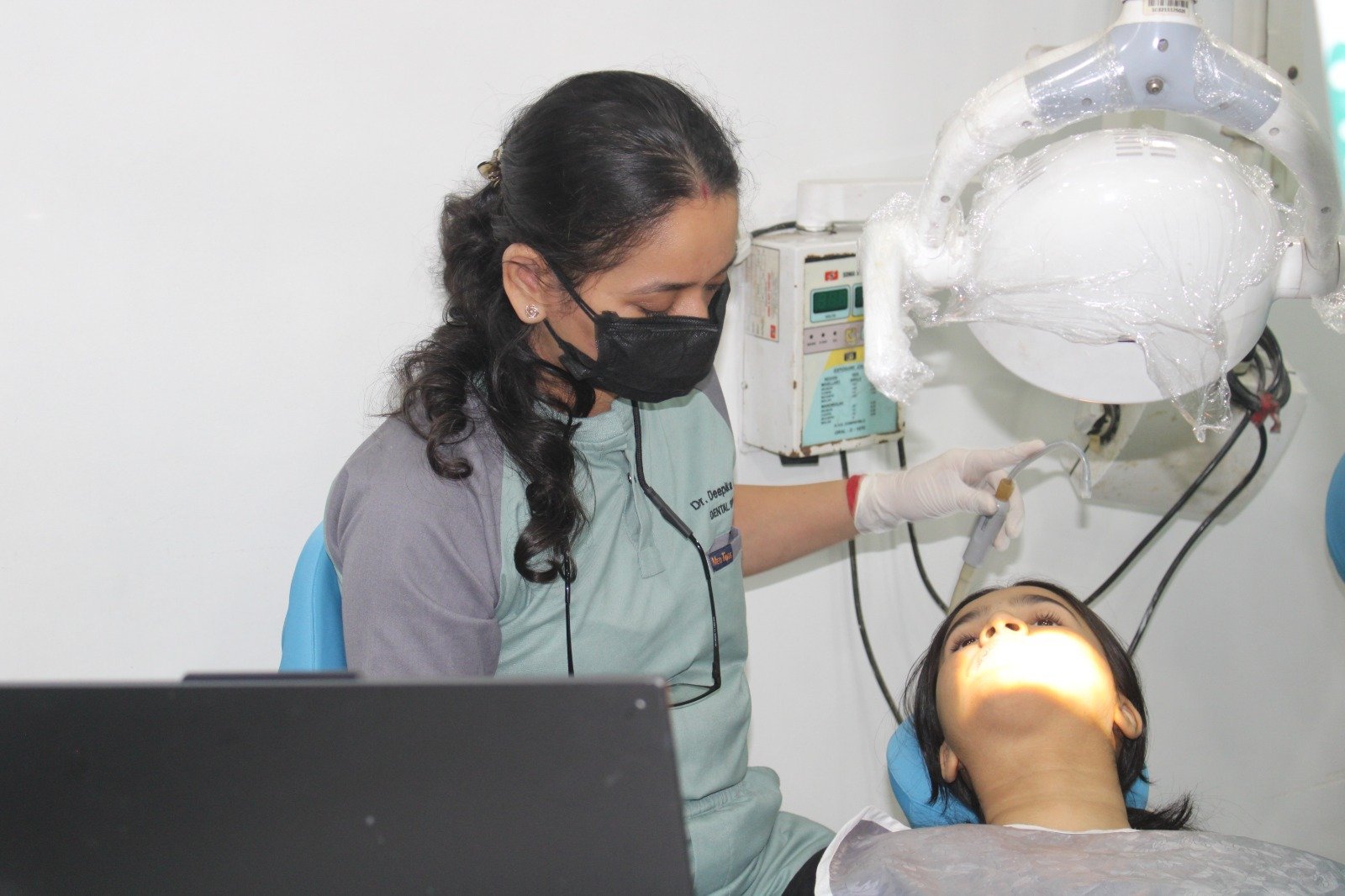
BDS · Dentist
MSDC A-30777. Co-founder of The Dental Hut. BDS from Datta Meghe Institute of Medical Sciences, Wardha.
I recently visited Dental hut, and I had a great experience! The staff was incredibly friendly and professional, making me feel at ease from the moment I walked in. The clinic is clean, modern, and equipped with the latest technology.
Baljinder Singh
Dr. Sunny is very forthcoming and is happy to explain the treatment and follow up with any doubts. I had two root canal treatments and I was extremely happy with the treatment as well as scheduling with his clinic.
Deepali Chugh
You should be numb during the procedure. Pressure is expected. Soreness afterwards is common.
After numbness fades, start with soft foods away from the site.
The clinic dentists. An oral and maxillofacial surgeon is not listed on the current professional profiles.
A painful delay in healing that needs professional dressing. It is more likely with smoking.
No. Many can be saved with restorative or root canal care.
Heavy bleeding, fever, or pain that sharply worsens after a few days.
Often discussed after healing, if bone and gums allow. That is a separate plan.
It is a type of extraction, sometimes surgical. See the wisdom tooth page for impaction-specific detail.
Removal may be advised for pain, infection, decay, cysts or crowding risk. Not every wisdom tooth needs extraction.
Request a visit on the contact page, call +91 84519 22257, or WhatsApp. The clinic confirms a slot during Monday–Saturday working hours.
The Dental Hut is a dental clinic in Airoli, Navi Mumbai, providing consultations and dental treatments for a range of oral health concerns.
If you are looking into tooth extraction in Airoli, you can meet the dentists, read dental FAQs, or request a visit.
Dentist in Airoli · Dentist in Navi Mumbai · Dental clinic in Airoli
Have questions about your dental condition or this treatment? Book a consultation with The Dental Hut to discuss your concerns and understand the available options.
Monday–Saturday · 10:00 AM–1:50 PM and 5:30 PM–9:50 PM. Sunday closed. Plot B/21, opp. Apple Hospital, Sector 7, Airoli 400708.

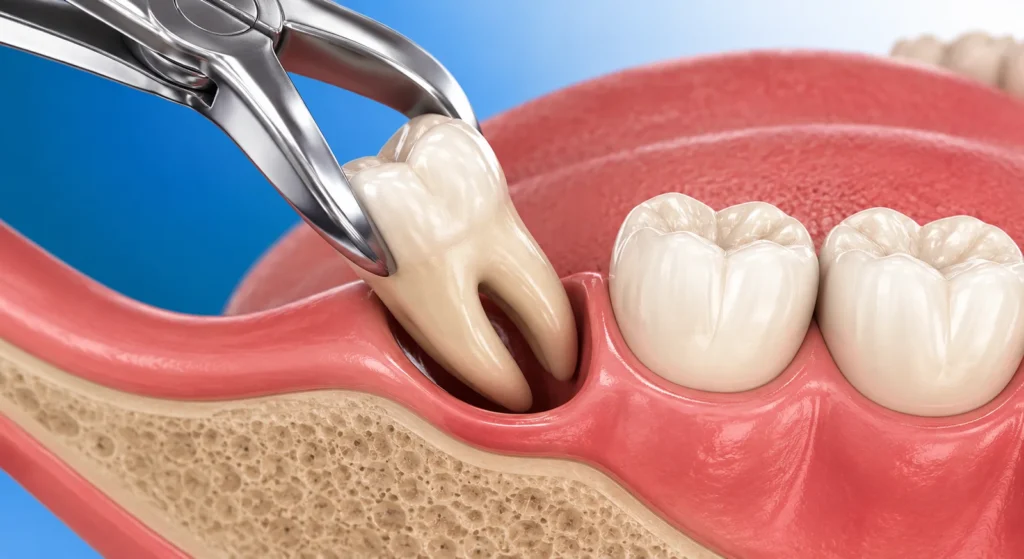 Wisdom Tooth Treatment
Learn more about wisdom tooth treatment in Airoli
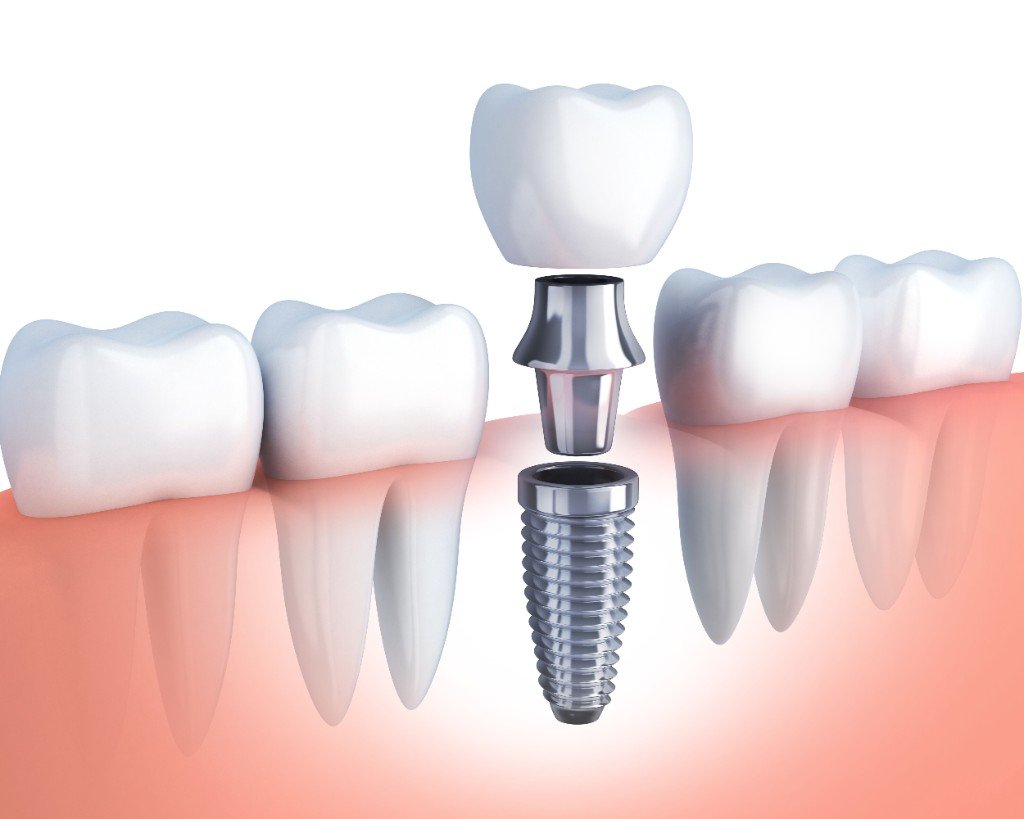 Dental Implants
Learn more about dental implants in Airoli
 CBCT & OPG
Learn more about cbct & opg in Airoli