
What it is
An implant replaces a root; the visible tooth is a separate restoration
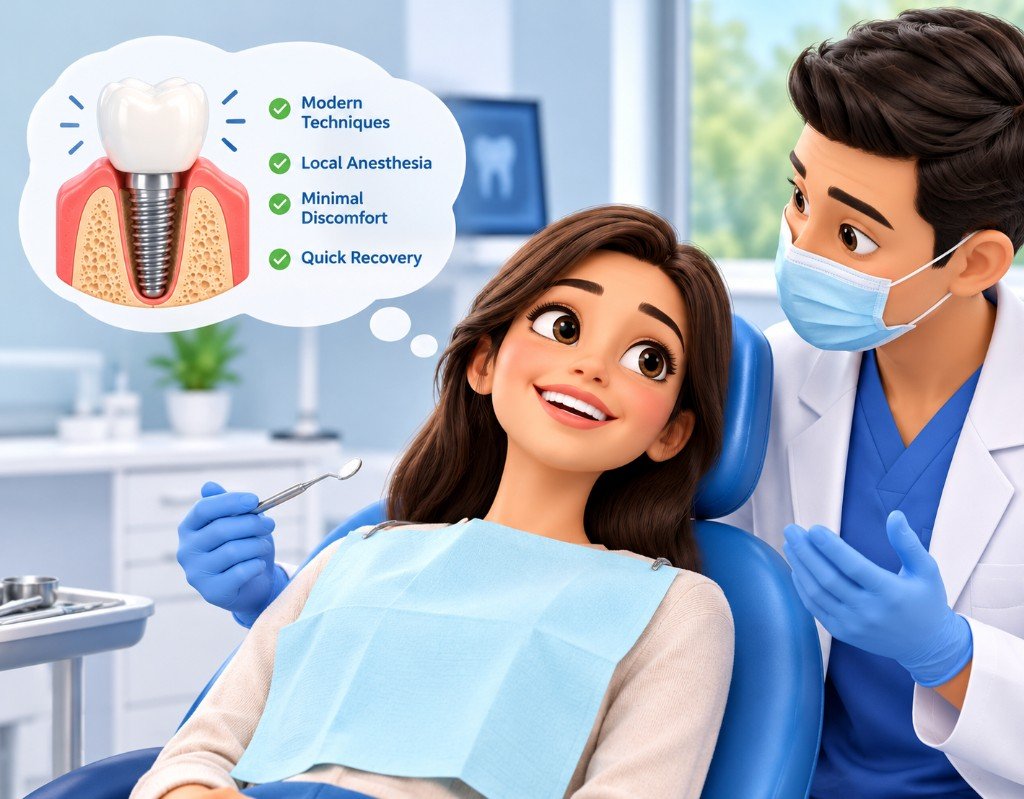
Implant placement is usually done with local anaesthesia. You should not feel cutting pain while numb. Afterwards, aching and swelling are common for a few days. Comfort varies with the number of implants and whether grafting was done.
An implant replaces a root; the visible tooth is a separate restoration
Bone, gums and health decide suitability
Healing time is part of treatment, not an optional extra
Cleaning and reviews affect how long the implant functions
Select a concern.
A dental implant is a small post, usually titanium, placed in the jawbone to act like an artificial tooth root. After the bone has adapted to the post, a connector (abutment) and a crown, bridge or denture can be attached so you can chew on a replacement tooth. It is not the same as a removable denture that sits on the gums, and it is not the same as a bridge that is supported by neighbouring teeth.
Implants are considered when a tooth is missing or cannot be saved, and when replacing it would help chewing, speech or the way nearby teeth sit. Leaving a gap is sometimes acceptable; it can also allow teeth to drift. Whether an implant is appropriate depends on bone, gums, bite and general health—not on a website checklist.
Pressure and vibration are expected. Additional anxiety-reduction methods, if used, are discussed in clinic.
Soft diet, cold packs as advised, and medicines prescribed for you personally. Sudden severe pain or fever needs a call to the clinic.
People whose jaws have finished growing, who can keep the area clean, and who have enough bone—or a realistic grafting plan—may be candidates. Active gum disease, heavy smoking, poorly controlled medical conditions or some medicines can delay or change the plan. Only an examination can decide.
Care usually starts with history, examination and imaging. OPG or CBCT may be used at The Dental Hut in Airoli when 3D or panoramic detail would change the plan. Placement is a surgical visit under local anaesthesia. Healing often takes weeks to months before the final tooth is fitted. Extra steps such as extraction or grafting are added only when anatomy requires them.
Aching, swelling and a soft diet are common for a few days. Bruising can appear. Smoking and poking the site slow healing. Sudden severe pain, fever or spreading swelling should be reported. The gum and bone still need months in many cases before the final tooth is loaded.
Clean around the implant with a brush and, when advised, interdental brushes or a water flosser. Attend reviews. Report bleeding, a bad taste or a loose crown. Night grinding may need a guard.
You describe what you want to replace. Medical history, medicines and previous dental work are reviewed. Alternatives such as a bridge or denture are discussed when they are reasonable.
Gums, remaining teeth and bite are checked. Photographs may be taken so the plan is clear before any surgery.
An X-ray, OPG or CBCT is prescribed when it is likely to show bone volume, sinus position or nerve path that would change implant position.
You hear what is possible, what is not, how many visits are likely, and what healing involves. Consent covers risks and alternatives.
The implant is placed into a prepared bony site. A stitch or healing cap may be used. Temporary teeth are not suitable in every site.
Healing is reviewed. Later, an abutment and crown or other prosthesis is fitted and the bite is adjusted. Long-term cleaning visits still matter.
Aching, swelling and a soft diet are common for a few days. Bruising can appear. Smoking and poking the site slow healing. Sudden severe pain, fever or spreading swelling should be reported. The gum and bone still need months in many cases before the final tooth is loaded.
Implant advertisements sometimes imply teeth in a fixed number of days for everyone. Immediate teeth are possible only in selected cases after records. Suitability is individual.
Bring a list of medicines, including bone-related drugs and blood thinners. Eat a light meal unless you were asked to fast. Arrange a quiet evening after surgery. Ask in clinic whether a temporary tooth is realistic for your site.
• Infection or peri-implant inflammation if cleaning is poor • Failure of bone integration, which may mean removal • Nerve injury or sinus complications in selected sites • Need for grafting, extra cost and extra healing time • No device is guaranteed for life
• Skipping gum treatment before placing implants • Treating a website photo as your own outcome • Stopping reviews once the crown feels fine • Using household glue on a loose crown
Clean around the implant with a brush and, when advised, interdental brushes or a water flosser. Attend reviews. Report bleeding, a bad taste or a loose crown. Night grinding may need a guard.
Fees at The Dental Hut are quoted after examination. They vary with records, materials, laboratory work and the number of visits.
Book an examination if you have a missing tooth, a failing tooth, or a denture that is becoming difficult to wear. Facial swelling, fever or difficulty swallowing needs prompt in-person care, not only a website form.
Many people compare it to extraction discomfort, but sites differ. Your dentist will set expectations for your plan.
They are artificial tooth roots placed in bone to support a replacement tooth or denture. Suitability is decided after examination.
Placement is usually done with local anaesthesia. Afterwards, aching and swelling for a few days are common. Comfort varies with grafting and the number of implants.
Many plans take several months from assessment to the final tooth because bone needs time to adapt. Extra grafting lengthens the timeline.
People with completed jaw growth, controllable gum disease and adequate bone—or a grafting plan—may be considered. Medical history still matters.
They can function for many years with healthy gums and a controlled bite. They can still fail. Lifespan is not a marketing number.
Yes, in selected plans, using several implants to support a bridge or denture. That is a larger rehabilitation than a single crown.
The Dental Hut in Sector 7, Airoli provides implant assessment, and in-house OPG or CBCT when those scans would change the plan.
Explore how Dental Implants is planned at The Dental Hut in Airoli after a dental examination.
 Dental Implants in Airoli
Learn more about dental implants in Airoli
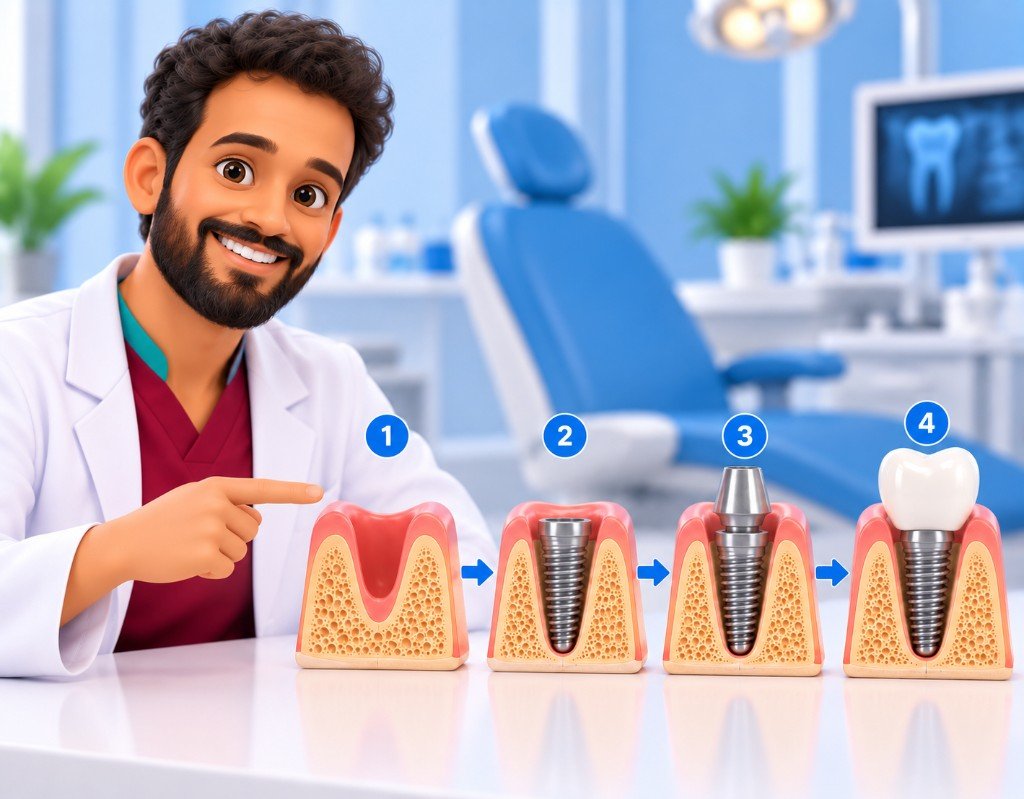 Dental Implant Procedure: Step by Step
A staged walkthrough of dental implant treatment from consultation to final crown.
 Dental Implants in Airoli: A Complete Patient Guide
A practical guide to dental implants at The Dental Hut in Airoli covering evaluation, planning, healing and restoration.
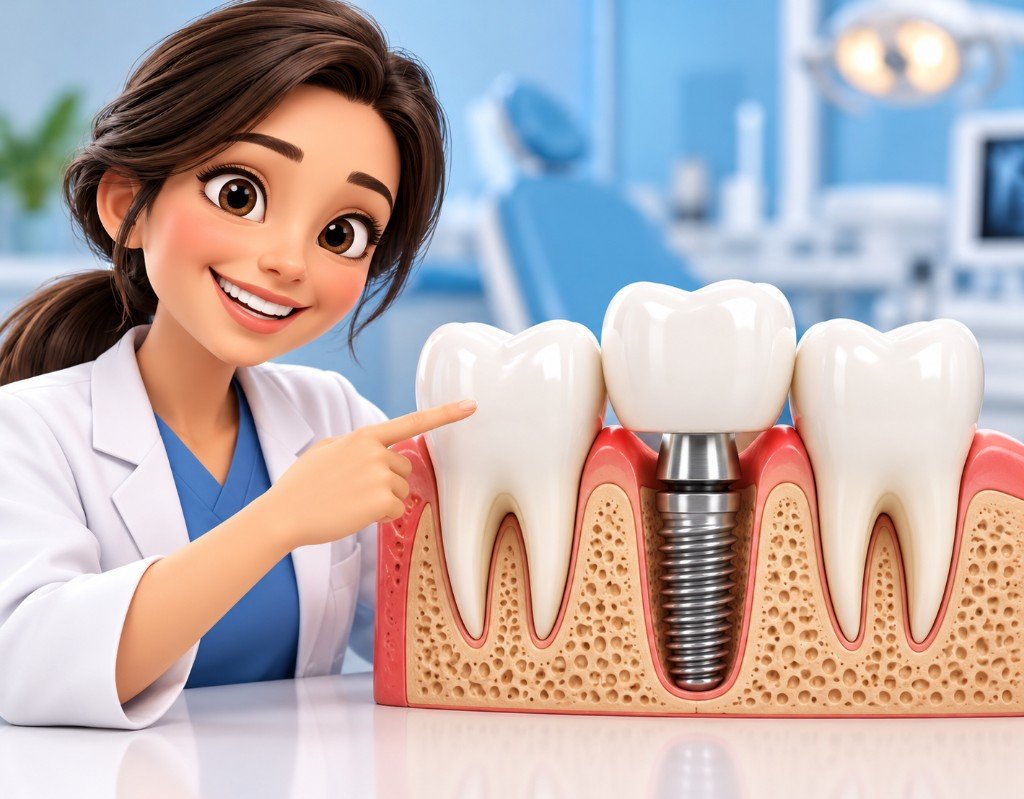 What Are Dental Implants?
Plain-language explanation of dental implant parts, how they work and when they are considered.
The Dental Hut is a dental clinic in Airoli, Navi Mumbai, providing consultations and dental treatments after examination.
People looking for dental implants in Airoli can start with a consultation and imaging when it is likely to change the plan. You can also read about the dentists, browse dental FAQs, or request a visit.
Dentist in Airoli · Dentist in Navi Mumbai · Dental Implants
Discuss your concern with the dental team and understand the treatment options that may be appropriate for your dental condition.
Monday–Saturday · 10:00 AM–1:50 PM and 5:30 PM–9:50 PM. Sunday closed. The clinic confirms a slot during working hours.